Is 600 a bad credit score?
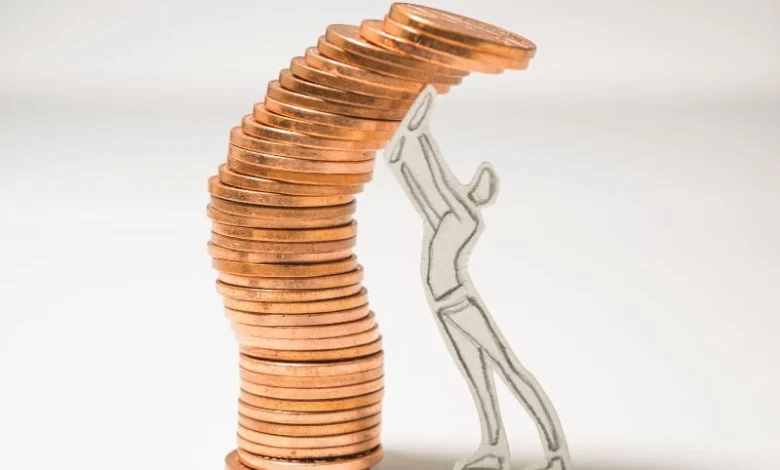
Is 600 a bad credit score?
Is 600 a Bad Credit Score?
If you’ve recently checked your credit score and noticed it’s around 600, you might be wondering, “Is 600 a bad credit score?” or “What does a 600 credit score mean for me?” Credit scores play a crucial role in your financial life—they affect your ability to get loans, credit cards, rent an apartment, or even land certain jobs. In this article, we’ll explore what a credit score of 600 signifies, how it can impact your financial opportunities, and what steps you can take to improve your score. Whether you’re a first-time borrower or working on repairing your credit, understanding this number is vital for making informed financial decisions.
What Is a Credit Score?
Before diving into whether 600 is a good or bad credit score, it’s important to understand what a credit score actually is.
A credit score is a three-digit number that summarizes your creditworthiness based on your credit history. It’s calculated using information from your credit reports and helps lenders determine the risk of lending you money. The most commonly used scores in the United States are FICO® Scores and VantageScore®, both typically ranging from 300 to 850.
Credit Score Ranges Explained
- Excellent: 800 – 850
- Very Good: 740 – 799
- Good: 670 – 739
- Fair: 580 – 669
- Poor: 300 – 579
Generally, a score of 600 falls into the fair range, meaning it’s below average but not the lowest you can have. This range indicates some credit risk but still leaves opportunities to improve.
Is 600 a Bad Credit Score?
In short, a 600 credit score is not great, but it’s not the worst either. It’s often considered a fair or subprime score, depending on which credit model is used. Lenders may see you as somewhat risky, but you may still qualify for credit products with higher interest rates or stricter terms.
Here are some key points to understand about a 600 credit score:
- Access to credit is limited, but not impossible. You might qualify for personal loans, credit cards, or mortgages designed for people with fair credit.
- Interest rates are typically higher, which means you’ll pay more over time compared to borrowers with higher scores.
- Your credit score indicates some past financial challenges, like missed payments or high credit utilization.
- A 600 score may affect your ability to rent apartments or secure utilities without deposits.
So, while 600 is not technically “bad” in the strictest sense, it is definitely below the average creditworthiness lenders prefer.
How Does a 600 Credit Score Affect Your Financial Life?
Borrowing Money
When you apply for a loan or a credit card, lenders look at your credit score to assess risk. A 600 credit score means you may:
- Receive higher interest rates compared to people with good or excellent credit.
- Qualify for fewer loan options or credit cards with limited perks and benefits.
- Face lower credit limits on credit cards or personal loans.
- Need a co-signer or collateral for certain loans, especially mortgages or auto loans.
Renting an Apartment
Landlords and property management companies typically check credit scores during the rental application process. A score around 600 can:
- Lead to additional requirements like larger security deposits.
- Cause some landlords to reject your application, especially in competitive rental markets.
- Potentially require you to provide a co-signer or proof of income to reassure the landlord.
Impact on Insurance Premiums
Believe it or not, some insurance companies consider credit scores when determining your insurance rates. Having a 600 credit score may:
- Result in higher premiums for auto or home insurance.
- Limit eligibility for certain insurance products or discounts.
Employment Opportunities
While employers don’t always perform credit checks, certain industries, especially in finance or government roles, may review your credit history. A 600 credit score might raise concerns about financial responsibility, but it usually isn’t a disqualifier alone.
Common Reasons People Have a 600 Credit Score
Understanding why your credit score is around 600 can help you develop a plan to raise it. Here are frequent factors contributing to a score in this range:
- Late or missed payments: Payment history makes up the largest portion of your credit score, so even a few late payments can lower your score.
- High credit utilization: Using a large percentage of your available credit, especially over 30%, signals risk to lenders.
- Limited credit history: A short or sparse credit history can make your score lower since lenders have less data to evaluate your reliability.
- Recent credit inquiries: Applying for many credit accounts in a short period may ding your score temporarily.
- Derogatory marks: Collections accounts, charge-offs, or bankruptcies significantly damage your credit score.
How to Improve a 600 Credit Score
A 600 credit score is far from permanent, and with the right steps, you can steadily improve your credit health. Here are effective strategies to boost your score:
Pay Bills on Time
Consistent, on-time payments are one of the most critical factors for improving your credit. Set up automatic payments or reminders to avoid late payments.
Reduce Credit Card Balances
Lowering your credit utilization ratio by paying down balances can have an immediate positive effect. Aim to use less than 30% of your available credit.
Check Your Credit Reports for Errors
Obtain free credit reports from AnnualCreditReport.com and look for inaccuracies. Disputing errors like incorrect late payments or wrong balances can raise your score.
Limit New Credit Applications
Each credit inquiry can temporarily lower your score. Avoid applying for multiple credit cards or loans within short periods.
Consider a Secured Credit Card
If you have limited credit or poor credit history, a secured credit card, which requires a refundable deposit, can help build positive payment records.
Keep Old Accounts Open
The length of your credit history matters. Keep older, well-maintained accounts open to improve your average credit age.
Understanding Different Credit Scoring Models
Keep in mind that your score of 600 might vary depending on the scoring model used. The two most common are:
- FICO Scores: Most widely used by lenders; “fair” scores generally range from 580 to 669.
- VantageScore: Used by some lenders and credit monitoring services; similar scoring ranges but slight differences in calculation.
Because of this, your exact credit standing might be slightly better or worse depending on the version viewed.
Loan Options for People With a 600 Credit Score
If you currently have a 600 credit score and need financing, here are some products you might consider:
- Personal loans for fair credit: Many online lenders specialize in loans to people with scores in the 600 range, although interest rates tend to be higher.
- Credit-builder loans: Designed to help improve credit, these loans hold the amount borrowed in a savings account while you make payments.
- Secured credit cards: Require a cash deposit and help rebuild your credit through responsible use.
- FHA Loans for Mortgages: The Federal Housing Administration backs loans for borrowers with lower credit scores, sometimes as low as 580 or even 500 with additional down payment.
- Co-signed loans: A trusted friend or family member with better credit can co-sign, increasing your chances of approval and getting better rates.
Common Misconceptions About a 600 Credit Score
- It’s impossible to get approved for loans: While more difficult, many lenders offer products to borrowers with scores around 600.
- My score will never improve: Credit scores are dynamic and can improve with positive credit habits.
- I don’t need to check my credit: Monitoring your credit helps you spot errors or signs of identity theft early.
- All lenders treat credit scores the same way: Each lender has its own criteria and risk tolerance, so responses can vary.
Why It’s Important to Monitor Your Credit Score Regularly
Keep a close eye on your credit score and report to understand your progress and spot problems early. Many financial websites and credit card issuers provide free credit score updates monthly.
Regular monitoring can help you:
- Catch errors or fraud early.
- Track improvements after paying down debts or making on-time payments.
- Understand how financial behaviors affect your credit.
- Prepare for significant financial moves like applying for a mortgage or auto loan.
Final Tips for Managing Your Credit Wisely
- Budget carefully to avoid missed payments.
- Keep an emergency fund to cover unexpected expenses.
- Use credit tools and alerts offered by your bank or credit card to stay on top of payments.
- Seek professional advice if overwhelmed by debt or credit repair options.
Remember, a 600 credit score is not a permanent label and can be improved with patience, discipline, and informed financial choices.

Related Articles
Our HOME in English: Smart Finance: Learn, Invest, and Grow

Our Categories:
- 💳 Credit Cards: Comparisons, reviews, and tips to choose the best card for your profile — cashback, travel rewards, no annual fee, and more.
- 🏦 Digital Banks: Practical guides and evaluations of digital bank accounts, fees, benefits, and services.
- 📈 Investments: Beginner guides, fixed income and variable income options, real estate investment trusts (REITs), and more.
- 🧮 Financial Education: Learn to manage your budget, build an emergency fund, and get out of debt.
- 🚗 Loans and Financing: Explanations about mortgage, auto, and student loans, with smart money-saving tips.
- 🛡️ Insurance: Information about the most important types of insurance to protect your family and assets.
- 📊 Taxes and Income: Guidance on tax filing, investment taxation, and fiscal responsibilities.
- 🏖️ Retirement Planning: Tips to plan your retirement with private retirement plans, Social Security benefits, and passive income strategies.

Is 600 a Bad Credit Score? Understanding Your Score and Its Impact
If you’re wondering whether a 600 credit score is considered bad, you’re not alone. Many Americans find themselves in this credit range and want to know what that means for their financial opportunities. A 600 credit score typically falls into the “fair” or “poor” credit category, which can affect your ability to secure loans, credit cards, or favorable interest rates. But it’s important to remember that a 600 score is not the end of the road—it’s a signal that improvement is possible, and knowing how to manage your credit can open new doors. This article addresses common questions about what a 600 credit score means, its implications, and how you can work toward building better credit to boost your financial health.
Frequently Asked Questions About a 600 Credit Score
Is a 600 credit score considered bad?
A 600 credit score is generally categorized as fair to poor. While it may limit your borrowing options, it’s not impossible to get approved for credit. Expect higher interest rates and fewer favorable terms.
How does a 600 credit score affect loan approval?
With a 600 score, lenders see higher risk, so loans may be harder to get and come with higher interest rates or larger down payment requirements.
Can I get a credit card with a 600 credit score?
Yes, but options may be limited to secured credit cards or cards designed for people with fair credit, often with higher fees or interest rates.
Does a 600 score affect mortgage eligibility?
It can make qualifying for a mortgage more challenging and could result in higher mortgage insurance premiums or interest rates.
Can I improve my credit score from 600?
Definitely. Paying bills on time, reducing debt balances, and avoiding new credit inquiries all help improve your credit score.
Is 600 a common credit score in the U.S.?
Yes, many Americans have credit scores in the 580-669 range, which is considered fair or subprime credit.
What credit score do lenders prefer?
Lenders typically prefer scores above 700 for the best rates and approvals, though each lender’s criteria can vary.
Does a 600 credit score affect insurance rates?
In some states, yes. Insurers may use credit-based insurance scores, potentially resulting in higher premiums.
Will applying for new credit lower my 600 score further?
Applying for new credit leads to hard inquiries, which can temporarily lower your score by a few points.
Can a 600 credit score get me a car loan?
Yes, but expect higher interest rates and possibly larger down payments.
Is it worth buying a credit monitoring product with a 600 score?
Yes, credit monitoring helps track your progress and catch errors or fraud, aiding your improvement efforts.
How long does it take to improve a 600 credit score?
With consistent effort, you may see improvements within 3-6 months, but significant gains usually take longer.
Are there specific products designed for people with a 600 credit score?
Yes, many lenders offer secured credit cards and personal loans tailored for fair credit borrowers to help rebuild credit.
Does a 600 credit score affect renting an apartment?
Landlords often check credit; a 600 score may require higher deposits or co-signers.
What should I avoid if I have a 600 credit score?
- Missing payments
- Accumulating high credit card balances
- Applying for too much new credit in a short time
Conclusion
A credit score of 600 is often viewed as below average, but it’s not insurmountable. While a 600 score may present challenges like higher interest rates and limited credit options, it’s also a starting point from which you can work to improve. By adopting responsible financial habits such as paying bills on time, keeping debt low, and monitoring your credit report, you can gradually move your credit score into a healthier range. Remember, lenders consider multiple factors, not just your score, when making decisions. Taking proactive steps today can unlock better opportunities tomorrow. For those looking to build or rebuild their credit, choosing the right financial products—such as secured credit cards or credit-building loans—can be a smart move. Empower yourself with knowledge and tools to enhance your financial standing and improve your credit score over time.