
Is it better to freeze or cancel a credit card?
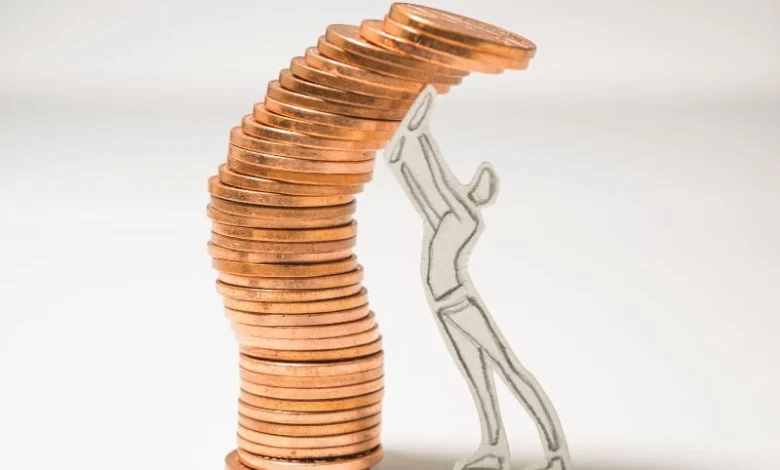
Is it better to freeze or cancel a credit card?
Is It Better to Freeze or Cancel a Credit Card?
If you’re juggling multiple credit cards or facing a financial shift, you might be wondering whether it’s better to freeze or cancel a credit card. This question is quite common among consumers looking to manage their credit responsibly without harming their credit score unnecessarily. Freezing and canceling cards have different implications for your credit health, security, and overall financial flexibility.
In this article, we’ll explore the pros and cons of freezing versus canceling a credit card, explain how each action affects your credit score, and help you decide which option may be best depending on your specific situation. Whether you want to protect yourself from fraud, reduce spending impulses, or simplify your financial life, understanding these choices will empower you to make informed financial decisions.
What Does It Mean to Freeze a Credit Card?
Freezing a credit card, often called a credit freeze or card lock, is a temporary measure you can take with your credit card issuer. It typically means the card is put on hold, preventing new charges or transactions until you decide to unfreeze it.
Freezing a card can usually be done instantly online or via the issuer’s app and can be reversed just as quickly. It’s designed to give cardholders control over their spending and security without permanently closing the account.
Key Features of Freezing a Card
- Temporary suspension: No new charges or cash advances can be made while the card is frozen.
- Account remains open: Your credit limit and account history stay intact.
- Easily reversible: You can unfreeze the card anytime if you want to use it again.
- Does not affect credit score: Because the account stays open, your credit utilization and length of credit history remain unchanged.
What Does It Mean to Cancel a Credit Card?
Cancelling (or closing) a credit card means you permanently close the account. Once canceled, you can no longer use the card for purchases or cash advances. This is a more serious step compared to freezing and can have long-lasting effects on your credit score.
Card cancellation needs to be done carefully and usually involves contacting your issuer by phone or writing a formal request. Some people cancel cards when they want to reduce the number of accounts or eliminate an unwanted annual fee.
Key Features of Canceling a Card
- Permanent closure: Account is closed, and you cannot use the card again.
- Potential credit score impact: Can lower your total available credit, increase your credit utilization ratio, and shorten your credit history.
- May reduce credit mix: If the card was a different type of credit (e.g., retail card), closing it can affect the diversity of your credit types.
- No longer available for emergencies or rewards: You lose any ongoing rewards or benefits unless redeemed before cancellation.
Freeze vs Cancel: How Do These Actions Impact Your Credit Score?
Your credit score is mainly influenced by these factors:
- Payment history (35%)
- Amounts owed or credit utilization (30%)
- Length of credit history (15%)
- New credit inquiries (10%)
- Credit mix (10%)
Effect of Freezing a Credit Card on Your Credit Score
Because freezing a credit card does not close the account, it does not impact your credit score in any negative way. Your credit line remains active, contributing positively to your overall credit utilization ratio. Additionally, your credit history remains intact since the account remains open and in good standing.
Effect of Canceling a Credit Card on Your Credit Score
Closing a credit card may impact your score negatively because:
- Credit utilization ratio increases: With less available credit, if you carry balances on other cards, your utilization rate may spike, which can lower your score.
- Length of credit history may shorten: If the canceled card is one of your oldest accounts, closing it may reduce the average age of your accounts.
- Credit mix narrows: Cancelling certain types of credit cards may affect your credit mix, which can slightly impact your score.
However, if you have many accounts with low balances, the impact might be minimal or short-lived.
When Should You Consider Freezing Your Credit Card?
- Suspecting fraud or lost card: Freezing your card immediately can prevent unauthorized transactions while you sort out the issue.
- Trying to control spending: If you want to avoid impulse buys but don’t want to give up the card completely, freezing it provides a pause without severing the credit relationship.
- Temporary financial hardship: If you’re facing a short period of tight finances, freezing your card temporarily can help you avoid adding new debt.
- Not currently using the card: You can freeze a rarely-used card to reduce risk without closing the account.
When Should You Consider Canceling Your Credit Card?
Though canceling a credit card is a more permanent step, it may make sense to close an account in some cases.
- High annual fees: If the card charges an annual fee but you don’t use its benefits, canceling can save money.
- Poor card terms or customer service: If your issuer imposes unwanted fees or has poor support, cancellation might be preferable.
- Too many cards to manage: Simplifying your finances by reducing the number of cards might make your money management easier.
- Card no longer fits your financial goals: For example, if you are focusing on cards with better rewards elsewhere.
- Suspected identity theft or long-term fraud risks: Sometimes canceling a compromised card might be necessary after fraud resolution.
Steps to Freeze or Cancel a Credit Card Safely
How to Freeze a Credit Card
- Log in to your online account or mobile app: Most card issuers offer a freeze or lock feature directly on their platform.
- Locate the freeze/lock option: Usually found in card management or security sections.
- Activate the freeze: Confirm the action to temporarily disable transactions.
- Unfreeze when needed: Simply return to the platform and unlock your card when you want to resume spending.
How to Cancel a Credit Card
- Redeem any rewards or points: Before canceling, use or transfer existing rewards to avoid losing value.
- Pay off your balance: Clear any outstanding balance to avoid financial complications or fees.
- Contact your card issuer: Call customer service or send a cancellation request per their instructions.
- Get confirmation: Make sure your account has been closed and request a written confirmation for your records.
- Check your credit report: Verify that the account shows as closed and zero balance.
Common User Concerns About Freezing vs Canceling Credit Cards
Will freezing a credit card stop recurring payments?
Freezing a credit card typically blocks new purchases but may not stop recurring payments or subscriptions already authorized. It’s important to contact your service providers if you want to cancel those payments directly.
Can I still use my frozen card for existing payments?
No, while the card is frozen, most transactions are declined, including payments where funds are not prepaid. However, pending or authorized transactions before the freeze may still go through.
Does canceling a credit card hurt my credit score immediately?
The effect on your credit score depends on your overall credit profile. Canceling a card may cause a temporary dip, especially if it reduces your available credit or shortens your credit history.
How long does it take for credit bureaus to update a cancelled card?
It can take 30-60 days for credit bureaus to update your account status fully. Keep monitoring your credit report after cancellation to ensure accuracy.
Additional Tips for Managing Your Credit Cards
- Keep old accounts open if they have no fees: Maintaining a long credit history can benefit your score.
- Regularly review your credit reports: Check for errors or fraudulent activity impacting your accounts.
- Consider consolidating cards: Switch balances to a single card with a lower interest rate if you want to simplify payments.
- Set spending limits or alerts: Use your card’s built-in tools to manage spending instead of cancelling prematurely.
- Contact your issuer if you want to lower your credit limit: This can reduce risk without closing the account.
Deciding whether to freeze or cancel a credit card depends heavily on your financial goals, current credit status, and security concerns. By understanding the differences and impacts of each choice, you can protect your finances while optimizing your credit health.

Related Articles
Our HOME in English: Smart Finance: Learn, Invest, and Grow

Our Categories:
- 💳 Credit Cards: Comparisons, reviews, and tips to choose the best card for your profile — cashback, travel rewards, no annual fee, and more.
- 🏦 Digital Banks: Practical guides and evaluations of digital bank accounts, fees, benefits, and services.
- 📈 Investments: Beginner guides, fixed income and variable income options, real estate investment trusts (REITs), and more.
- 🧮 Financial Education: Learn to manage your budget, build an emergency fund, and get out of debt.
- 🚗 Loans and Financing: Explanations about mortgage, auto, and student loans, with smart money-saving tips.
- 🛡️ Insurance: Information about the most important types of insurance to protect your family and assets.
- 📊 Taxes and Income: Guidance on tax filing, investment taxation, and fiscal responsibilities.
- 🏖️ Retirement Planning: Tips to plan your retirement with private retirement plans, Social Security benefits, and passive income strategies.

Deciding whether to freeze or cancel a credit card can feel overwhelming, especially when considering your financial health. Freezing a credit card, often called a credit freeze or temporary lock, means you restrict new charges without closing the account. Canceling a credit card means closing your account permanently. Each choice impacts your credit score and spending habits differently. Understanding these differences helps you make an informed decision based on your goals — whether it’s managing debt, protecting against fraud, or improving credit. Let’s explore the pros and cons to find out which option fits your needs better.
Conclusion
When weighing if it’s better to freeze or cancel a credit card, freezing is usually the safer and more flexible option. Temporarily freezing your card restricts unauthorized purchases and reduces fraud risk without affecting your credit score or account history. This allows you to keep your credit utilization ratio low and preserve your credit age—both important for maintaining a strong credit profile. On the other hand, canceling a credit card is a permanent step that can lower your overall available credit and potentially hurt your credit score, especially if it’s an older or high-limit card.
Ultimately, freezing your credit card is ideal for short-term control or security concerns, while canceling is best reserved for cards you no longer need or want. Carefully consider your financial goals before making a decision. Maintaining healthy credit habits and choosing the right option can optimize your credit portfolio and protect your financial future.
Frequently Asked Questions
1. What does it mean to freeze a credit card?
Freezing a credit card temporarily blocks new charges and transactions but keeps the account open. You can unfreeze it anytime without closing the account.
2. Will freezing my credit card affect my credit score?
No. Freezing your credit card does not impact your credit score because the account remains open and in good standing.
3. How does canceling a credit card impact my credit score?
Canceling reduces your available credit, which can increase your credit utilization ratio and lower your score. It also shortens your credit history if it’s an older card.
4. Can I reactivate a canceled credit card?
Usually no. Canceling permanently closes the account, but some issuers may allow reopening within a short period if you request it.
5. Is freezing a credit card a good way to prevent fraud?
Yes. Freezing blocks new purchases, helping prevent unauthorized use while keeping your account intact.
6. Will my rewards or points be lost if I freeze my card?
No. Freezing your card does not affect your rewards; points remain saved until you use the card again or redeem them.
7. Does canceling a credit card delete my rewards or points?
Often yes. Canceling your card usually forfeits any unused rewards or points, so redeem them before closing.
8. How long can I freeze a credit card?
Depends on the issuer. Some allow indefinite freezing; others have set time periods or require renewal.
9. Can I still receive statements after freezing my card?
Yes. Your account stays open, so you will continue to get statements and need to pay any balance.
10. Does freezing a card stop automatic payments?
No. Automatic payments linked to the card usually continue unless you cancel those directly with the provider.
11. Should I freeze or cancel a card with a high balance?
Freezing is better to avoid interest and fees while preserving your credit. Canceling doesn’t erase debt and may harm credit score.
12. Can freezing a credit card help me with budgeting?
Yes. Freezing limits spending on that card temporarily, helping control expenses without closing the account.
13. Will canceling a credit card improve my finances?
Only if it helps cut fees or overspending. Canceling can lower credit score, so assess your usage before deciding.
14. Can I freeze multiple credit cards at once?
Yes. You can freeze as many cards as you want, but consider keeping some active for credit diversity.
15. How do I freeze or cancel a credit card?
Contact your credit card issuer by phone, app, or website, and request to freeze or cancel your card. Follow their instructions carefully.


