How to recognize revolving debt?
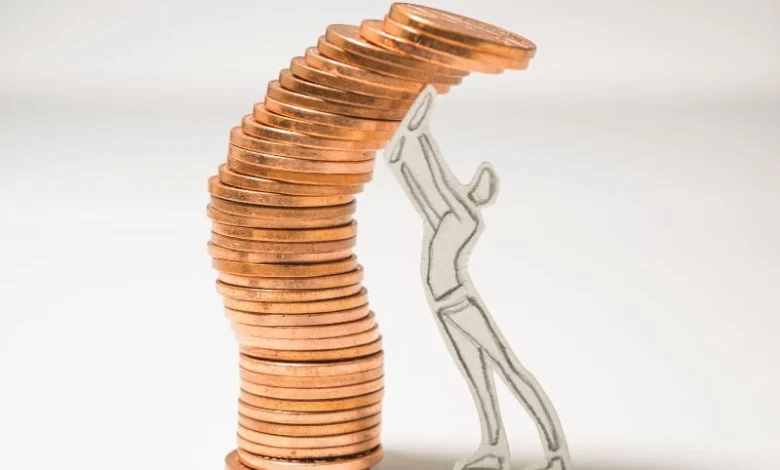
How to recognize revolving debt?
What Is a Credit Score?
Understanding your credit score is essential for managing your financial health in the United States. Whether you are applying for a loan, renting an apartment, or even seeking a new job, your credit score plays a significant role in how lenders, landlords, and employers view your financial responsibility. This glossary article will explore what a credit score is, how it is calculated, why it matters, and what you can do to improve and maintain a good credit score.
Definition of Credit Score
A credit score is a numerical representation of your creditworthiness. It is a three-digit number, typically ranging from 300 to 850, that indicates how likely you are to repay borrowed money on time. The higher the score, the better your credit reputation is considered. Scores are generated by credit reporting agencies based on your credit history and other financial behaviors.
Main Credit Scoring Models
- FICO Score: The most widely used credit score model by lenders, designed by the Fair Isaac Corporation.
- VantageScore: Developed collaboratively by the three major credit bureaus (Experian, Equifax, and TransUnion) as an alternative to FICO.
Although there are slight differences in score ranges and calculation methods, both models consider similar factors to evaluate your creditworthiness.
How Is a Credit Score Calculated?
Your credit score is based on your credit report, which is a detailed record of your borrowing and repayment history. Different components carry different weights in calculating your credit score, especially in the FICO scoring system.
Factors Influencing Your Credit Score
- Payment History (35%): This is the most significant factor, considering whether you pay bills on time or have late or missed payments.
- Amounts Owed (30%): Also known as credit utilization, this reflects how much of your available credit you’re currently using.
- Length of Credit History (15%): Longer credit histories with consistent, positive behavior tend to boost your score.
- New Credit (10%): Opening many new accounts or hard credit inquiries within a short time can negatively impact your score.
- Credit Mix (10%): A diverse mix of credit types (credit cards, installment loans, mortgages) can positively affect your score.
Why Is a Credit Score Important?
Your credit score has a significant impact on your financial life. Here are some of the primary reasons why the score matters:
- Loan Approvals: Lenders use your credit score to determine whether to approve applications for mortgages, auto loans, personal loans, and credit cards.
- Interest Rates: A higher credit score often qualifies you for lower interest rates, saving you money over the life of the loan.
- Rental Applications: Many landlords check credit scores to assess tenant reliability.
- Insurance Premiums: Some insurance companies use credit information to help set premiums.
- Employment: Certain employers check credit reports as part of background screenings, particularly for jobs that involve financial responsibilities.
How to Check Your Credit Score
Knowing your credit score empowers you to take control of your finances. Here are common ways to check your credit score in the U.S. for free or low cost:
- AnnualCreditReport.com: The only federally authorized site providing free yearly credit reports from Equifax, Experian, and TransUnion. Note that credit reports don’t typically include scores but often show detailed information used to calculate your score.
- Credit Card Issuers and Banks: Many financial institutions provide free credit scores to their customers as part of account management tools.
- Credit Monitoring Services: Subscription services offer continuous access to your credit score and alerts for changes or suspicious activity.
Tips to Improve Your Credit Score
If your credit score is lower than you’d like, it’s never too late to make positive changes. Improving your credit score takes time and disciplined financial habits. Here are some actionable steps:
- Pay Bills on Time: Consistently paying bills by their due date is critical to enhancing your payment history.
- Reduce Credit Card Balances: Aim to keep your credit utilization ratio below 30% for each card and overall.
- Avoid Opening Too Many Accounts Quickly: Each new credit inquiry can temporarily lower your score.
- Keep Old Accounts Open: Longer credit histories benefit your score.
- Dispute Errors on Credit Reports: Regularly review your credit reports for mistakes that may hurt your score and dispute inaccuracies promptly.
Common Misconceptions About Credit Scores
Many Americans have misconceptions about credit scores that might prevent them from managing their credit effectively. Let’s clear up a few common myths:
- Myth: Checking my own credit score lowers it. Fact: Checking your own credit score is considered a soft inquiry and does not negatively affect your score.
- Myth: Carrying a balance improves my credit score. Fact: It’s best to pay credit card balances in full each month to avoid interest; carrying a balance doesn’t improve your score.
- Myth: Closing old credit cards improves my score. Fact: Closing old accounts often reduces your available credit and can lower your credit score.
- Myth: Income affects your credit score. Fact: Your income is not factored into your credit score calculations.
How Long Do Negative Items Stay on Your Credit Report?
Negative information can impact your credit score, but most negative items don’t stay on your credit report forever. Here are typical timeframes for common negative records:
- Late Payments: 7 years
- Collections: 7 years from the date of the first missed payment
- Bankruptcies: Chapter 7 bankruptcy remains for 10 years; Chapter 13 stays for 7 years
- Foreclosure: Usually 7 years
- Hard Inquiries: Remain visible for 2 years but only affect scores for up to 12 months
Being aware of these timelines can help you stay patient as negative marks fall off your records naturally.
Credit Score Ranges Explained
Credit scores generally fall into these categories, helping lenders quickly assess risk:
- Excellent (800–850): You’re considered a very low-risk borrower with access to the best rates and terms.
- Good (740–799): You have strong credit and will qualify for favorable loan conditions.
- Fair (670–739): Your credit is average, so you may face slightly higher interest rates.
- Poor (580–669): You might be seen as risky, with limited loan options and higher rates.
- Very Poor (300–579): Lenders may reject your application or require high-interest loans and deposits.
The Role of Credit Reporting Agencies
Three major credit bureaus compile the information used to calculate your credit score:
- Equifax
- Experian
- TransUnion
Each bureau collects data from lenders, credit card companies, and other financial institutions to create your credit report. Because not all creditors report to all three, your credit score may vary slightly between bureaus. It’s important to check reports from all three to get a full picture of your credit health.
Impact of Credit Score on Different Financial Products
Your credit score doesn’t just affect your chance of loan approval; it influences the terms you receive across many financial products.
Mortgages
A higher credit score can translate into lower mortgage interest rates, which could save you thousands over the life of your loan.
Auto Loans
Lenders often set rates based on credit scores, so a better score means more affordable vehicle financing.
Credit Cards
Better scores open doors to credit cards with higher limits, premium rewards, and lower interest rates.
Personal Loans
Those with strong credit scores typically have access to larger loan amounts and better repayment terms.
Strategies to Maintain a Healthy Credit Score
Consistent, responsible financial habits can help you maintain or even boost your credit score over time. Consider these strategies:
- Monitor Your Credit: Regular checks can help you spot errors or fraudulent activity early.
- Budget for On-Time Payments: Set up reminders or automatic payments to avoid late fees.
- Limit New Credit Applications: Apply for new credit only when necessary.
- Distribute Credit Utilization: Try to keep balances low across all your cards instead of maxing out one.
- Build Credit Diversity: Use a mix of installment loans and revolving credit to strengthen your profile.

Related Articles
Our HOME in English: Smart Finance: Learn, Invest, and Grow

Our Categories:
- 💳 Credit Cards: Comparisons, reviews, and tips to choose the best card for your profile — cashback, travel rewards, no annual fee, and more.
- 🏦 Digital Banks: Practical guides and evaluations of digital bank accounts, fees, benefits, and services.
- 📈 Investments: Beginner guides, fixed income and variable income options, real estate investment trusts (REITs), and more.
- 🧮 Financial Education: Learn to manage your budget, build an emergency fund, and get out of debt.
- 🚗 Loans and Financing: Explanations about mortgage, auto, and student loans, with smart money-saving tips.
- 🛡️ Insurance: Information about the most important types of insurance to protect your family and assets.
- 📊 Taxes and Income: Guidance on tax filing, investment taxation, and fiscal responsibilities.
- 🏖️ Retirement Planning: Tips to plan your retirement with private retirement plans, Social Security benefits, and passive income strategies.

How to Recognize Revolving Debt?
Managing personal finances effectively starts with understanding the types of debt you carry. One common form is revolving debt, often linked to credit cards and lines of credit. Unlike installment loans, revolving debt doesn’t have a fixed payment schedule or maturity date, making it essential to recognize and manage it wisely to avoid financial strain. Identifying revolving debt helps you keep track of your spending, interest rates, and minimum payments, empowering you to make informed decisions that improve your credit health and financial freedom.
Revolving debt is characterized by a credit limit that you can borrow against repeatedly as long as you repay at least the minimum amount. This flexibility can be beneficial but also risky if left unmanaged. By understanding the features and signs of revolving debt, you can take control of your finances, plan your repayments effectively, and avoid pitfalls like mounting interest charges or credit score damage.
FAQ: Recognizing Revolving Debt
What is revolving debt?
Revolving debt is a credit type where you have a credit limit you can borrow against repeatedly, like credit cards and home equity lines of credit, with flexible repayment options.
How can I spot revolving debt on my credit report?
Revolving accounts are typically labeled as “Revolving” or “Open” on credit reports, showing credit limits, balances, and payment history.
Is my credit card balance considered revolving debt?
Yes, credit card balances are the most common form of revolving debt because you can borrow and repay repeatedly up to the credit limit.
How does revolving debt differ from installment loans?
Installment loans have fixed payments and set payoff dates, while revolving debt offers flexible borrowing and repayment with no fixed term.
Why is recognizing revolving debt important?
Knowing your revolving debt helps you manage interest costs, avoid overspending, and maintain or improve your credit score.
Can I carry both revolving and installment debt simultaneously?
Yes, many consumers have both types; recognizing each helps tailor effective repayment strategies.
Does revolving debt affect my credit utilization ratio?
Yes, high balances on revolving accounts increase credit utilization, which can lower your credit score.
How can I identify the interest rate on my revolving debt?
Check your credit card statements or loan agreements; interest rates vary and directly impact the cost of revolving debt.
Can a line of credit be revolving debt?
Yes, lines of credit like HELOCs are revolving debt because you can borrow multiple times up to your limit.
What are the risks of not recognizing revolving debt?
Ignoring revolving debt can lead to high interest charges, growing balances, and damage to your credit score.
How do minimum payments relate to revolving debt?
Revolving debt usually requires a minimum monthly payment, but paying only the minimum can increase interest costs over time.
Is it better to pay off revolving debt quickly?
Yes, paying off revolving debt fast reduces interest charges and improves your credit utilization ratio.
Does making only minimum payments help reduce revolving debt effectively?
Minimum payments prevent default but often extend debt duration and increase total interest paid.
How do I track multiple revolving debts?
List all accounts, balances, interest rates, and minimum payments; use budgeting tools or apps for better management.
Can I convert revolving debt into installment debt?
Some lenders offer debt consolidation loans that convert revolving debt into fixed installment payments, simplifying repayment.
Conclusion
Recognizing revolving debt is crucial for managing your financial health effectively. Because revolving debt, such as credit card balances and lines of credit, offers flexibility in borrowing but can also lead to high-interest costs if unmanaged, it’s important to identify these debts on your credit report and financial statements. By understanding the characteristics of revolving debt—variable payments, ongoing borrowing up to a credit limit, and impact on credit utilization—you can develop smarter repayment strategies. Staying aware of minimum payments and interest rates enables better budgeting, helping you avoid the trap of growing balances. Remember, while revolving credit can provide financial flexibility, using it responsibly improves your credit score and reduces financial stress. For American consumers aiming to improve their finances, recognizing and managing revolving debt is a foundational step toward achieving long-term financial stability and independence.