
How to deal with non-performing loans?
How to deal with non-performing loans?
Understanding Cryptocurrency: A Comprehensive Glossary for American Investors
Cryptocurrency has become one of the most talked-about topics in the modern financial world. For many Americans, diving into the world of digital currencies can feel overwhelming due to unfamiliar terminology and complex concepts. This glossary article aims to break down essential cryptocurrency terms in simple, clear language that answers the real questions investors and curious readers often have. Whether you’re a beginner or looking to deepen your understanding of cryptocurrencies, blockchain, and related finance topics, this guide will help you navigate the digital currency space with confidence.
What Is Cryptocurrency?
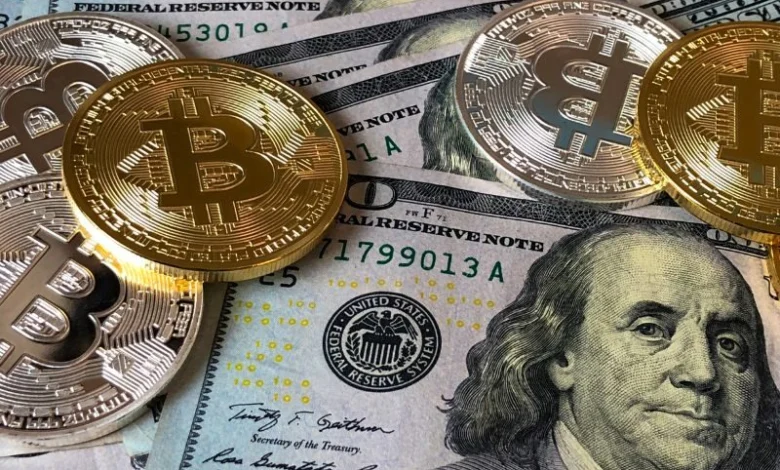
Cryptocurrency is a type of digital or virtual currency that uses cryptography for security. Unlike traditional currencies issued by governments (like the US dollar), cryptocurrencies operate on decentralized networks, usually based on blockchain technology. This means no single entity controls the currency, and transactions can be peer-to-peer without intermediaries like banks.
Key Cryptocurrency Terms Explained
1. Blockchain
Blockchain is the underlying technology behind most cryptocurrencies. It is a distributed ledger that records all transactions across a network of computers. This ledger is immutable, meaning once a transaction is recorded, it cannot be altered or deleted. The transparency and security of blockchain technology have made it immensely popular beyond just cryptocurrencies, finding uses in supply chains, healthcare, and more.
2. Bitcoin (BTC)
Bitcoin is the first and most well-known cryptocurrency, created in 2009 by an anonymous person or group known as Satoshi Nakamoto. It was designed to be a peer-to-peer electronic cash system and remains the dominant digital currency by market capitalization. Bitcoin’s success paved the way for thousands of other cryptocurrencies.
3. Altcoins
Altcoins refers to any cryptocurrency other than Bitcoin. This category includes popular digital currencies like Ethereum, Ripple (XRP), Litecoin, and thousands of others. Each altcoin has unique features, purposes, or improvements on Bitcoin’s original concept.
4. Wallet
A wallet is a software application or physical device that stores your cryptocurrency keys and allows you to access your digital assets. There are two main types:
- Hot wallets: Connected to the internet, ideal for frequent transactions but vulnerable to hacking.
- Cold wallets: Offline storage, such as hardware wallets or paper wallets, provide enhanced security for long-term holdings.
5. Private Key and Public Key
Cryptocurrency transactions rely on pairs of cryptographic keys:
- Public key: Similar to a bank account number, it’s safe to share. Used to receive funds.
- Private key: Like a password, it must be kept secret. Used to sign transactions and access your assets.
Losing your private key means losing access to your cryptocurrency.
6. Mining
Mining is the process by which new cryptocurrency coins are created and transactions are verified on certain blockchains (not all cryptocurrencies use mining). Miners use powerful computers to solve complex mathematical problems, which helps secure the network and process transactions. In exchange, miners receive cryptocurrency rewards.
7. Proof of Work (PoW) and Proof of Stake (PoS)
These are two of the most common consensus mechanisms to validate transactions within a blockchain network:
- Proof of Work (PoW): Miners compete by solving puzzles; the first to solve adds the block. Bitcoin uses PoW.
- Proof of Stake (PoS): Validators are chosen based on the number of coins they hold and “stake” as collateral, leading to less energy use.
8. Exchange
A cryptocurrency exchange is a platform where you can buy, sell, or trade digital currencies. Exchanges can be centralized (CEX), operated by companies acting as intermediaries, or decentralized (DEX), which enable peer-to-peer trading without intermediaries.
Commonly Asked Questions About Cryptocurrency Terms
How Does Cryptocurrency Differ from Traditional Money?
Cryptocurrency is digital and decentralized, meaning it doesn’t rely on a bank or government for issuance or regulation. In contrast, fiat money like the US dollar is centralized and regulated by central banks. Cryptos often offer greater privacy, faster transactions worldwide, and new financial opportunities, though they come with higher volatility and regulatory uncertainty.
What Are Tokens vs Coins?
The terms coin and token are often used interchangeably but have distinct meanings:
- Coins: Native currencies of a blockchain (e.g., Bitcoin on the Bitcoin blockchain, Ether on Ethereum).
- Tokens: Digital assets created on existing blockchains, often representing assets, utility rights, or governance features.
Is Cryptocurrency Safe to Use?
While the underlying blockchain technology is generally secure due to its cryptographic nature, risks exist primarily around wallet security, exchange hacks, scams, and price volatility. Users must take precautions such as using cold wallets, enabling two-factor authentication, and dealing with reputable exchanges.
Important Cryptocurrency Investment Concepts
1. Volatility
Cryptocurrency prices are known for significant volatility, meaning they can rapidly increase or decrease in value. Such swings present investment opportunities but also carry risk. Understanding market trends and managing risk is essential.
2. Market Cap
Market capitalization represents the total value of all coins or tokens in circulation for a cryptocurrency. It’s calculated by multiplying the current price by the total supply. Market cap helps investors gauge the size and relative importance of a crypto asset.
3. ICO and Token Sales
An Initial Coin Offering (ICO) is a fundraising method where new cryptocurrencies offer tokens to investors before launching fully. This concept is similar to an initial public offering (IPO) in the stock market but less regulated, posing higher risks and rewards.
4. Decentralized Finance (DeFi)
DeFi refers to a growing ecosystem of financial applications built on blockchains that operate without traditional intermediaries. DeFi includes lending, borrowing, and trading platforms accessible globally with just an internet connection.
Security and Legal Terms You Should Know
1. Smart Contract
A smart contract is a self-executing contract coded on a blockchain where the terms are automatically enforced when conditions are met. These eliminate the need for middlemen, increasing efficiency and trust.
2. KYC and AML
Know Your Customer (KYC) and Anti-Money Laundering (AML) are regulations exchanges and certain crypto services must follow to verify user identities and prevent illegal activities.
3. Fork
A fork happens when a blockchain splits into two separate paths due to changes in the network’s rules or upgrades. There are two main types:
- Soft Fork: Backward compatible update.
- Hard Fork: Permanent split often creating a new cryptocurrency.
4. Rug Pull
A rug pull is a type of scam where developers suddenly withdraw all funds from a project’s liquidity pool or wallet, leaving investors with worthless tokens. Staying informed about project teams, whitepapers, and community sentiment helps mitigate this risk.
How to Start with Cryptocurrencies
If you’re ready to explore cryptocurrencies, here are some steps to get started safely:
- Research Thoroughly: Understand the terms and technology behind each coin or token.
- Choose a Reliable Exchange: Use popular and regulated platforms with strong security measures.
- Set Up Your Wallet: For added security, use hardware wallets for long-term holding.
- Start Small: Invest only what you can afford to lose due to high market volatility.
- Keep Learning: Cryptocurrencies evolve rapidly; stay updated with trends and news.
Conclusion
Cryptocurrency is a fascinating and complex financial innovation transforming how money moves and is perceived globally. By familiarizing yourself with these key terms and concepts, you’ll be better equipped to make informed decisions and participate confidently in the evolving digital economy. Whether you’re interested in Bitcoin’s potential, exploring DeFi, or evaluating a new ICO, understanding this glossary is the first step towards a successful crypto journey.

Related Articles
Our HOME in English: Smart Finance: Learn, Invest, and Grow

Our Categories:
- 💳 Credit Cards: Comparisons, reviews, and tips to choose the best card for your profile — cashback, travel rewards, no annual fee, and more.
- 🏦 Digital Banks: Practical guides and evaluations of digital bank accounts, fees, benefits, and services.
- 📈 Investments: Beginner guides, fixed income and variable income options, real estate investment trusts (REITs), and more.
- 🧮 Financial Education: Learn to manage your budget, build an emergency fund, and get out of debt.
- 🚗 Loans and Financing: Explanations about mortgage, auto, and student loans, with smart money-saving tips.
- 🛡️ Insurance: Information about the most important types of insurance to protect your family and assets.
- 📊 Taxes and Income: Guidance on tax filing, investment taxation, and fiscal responsibilities.
- 🏖️ Retirement Planning: Tips to plan your retirement with private retirement plans, Social Security benefits, and passive income strategies.

How to Deal with Non-Performing Loans?
Non-performing loans (NPLs) are a major challenge for lenders and borrowers alike, especially in the American financial market. When borrowers fail to make scheduled payments, these loans become a financial burden affecting credit institutions’ profitability and stability. Addressing non-performing loans effectively requires a blend of strategic actions, legal understanding, and proactive communication. Whether you’re a lender aiming to recover dues or a borrower seeking to manage debt responsibly, knowing how to handle NPLs can save money, avoid legal complications, and restore financial health.
Conclusion
Dealing with non-performing loans requires a systematic and informed approach. For lenders, early identification and regular monitoring of NPLs allow timely intervention, such as loan restructuring or collateral enforcement. Employing professional recovery agencies or legal action might be necessary, but communication with borrowers remains key to finding amicable solutions. Borrowers suffering from repayment challenges should proactively consult financial advisors to explore options like renegotiation or refinancing. Understanding how to manage NPLs prevents escalating losses and supports healthier credit environments. With the right strategies, both lenders and borrowers can minimize financial risks and work towards sustainable debt management. Implementing these practical steps ensures that non-performing loans do not become a permanent obstacle but rather an opportunity to rebuild creditworthiness and financial stability.
Frequently Asked Questions
What is a non-performing loan?
A non-performing loan is a loan in which the borrower has missed scheduled payments for 90 days or more, indicating the loan is unlikely to be repaid on time.
Why are non-performing loans bad for banks?
NPLs reduce a bank’s profitability, tie up capital, increase the risk of bankruptcy, and weaken overall financial stability.
How can lenders manage non-performing loans?
Lenders can manage NPLs by restructuring loans, pursuing collateral recovery, engaging debt collectors, or using legal proceedings if necessary.
What is loan restructuring?
Loan restructuring involves modifying the terms of a loan—such as extending the repayment period or reducing interest rates—to make payments more manageable for the borrower.
When should a lender write off a non-performing loan?
A write-off occurs when the loan is considered unrecoverable after exhausting all collection options, typically after prolonged default.
Can borrowers negotiate non-performing loans?
Yes, borrowers can negotiate with lenders to restructure terms, postpone payments, or reduce interest to avoid default and improve repayment chances.
What role do credit scores play in non-performing loans?
Non-performing loans negatively impact credit scores, reducing loan eligibility and increasing borrowing costs.
Is hiring a debt collection agency effective?
Debt collection agencies can improve recovery rates by professionally pursuing overdue payments while relieving lenders from direct collection efforts.
How long does it take to recover a non-performing loan?
Recovery time varies widely; some loans may be settled in months through restructuring, while others take years through legal or collection processes.
Are there legal protections for borrowers with NPLs?
Yes, laws regulate debt collection practices, protect borrower rights, and provide options like bankruptcy or debt counseling in the U.S.
What impact do non-performing loans have on the economy?
High levels of NPLs can reduce lending, slow economic growth, and increase financial instability in the broader economy.
Can technology help in managing non-performing loans?
Yes, advanced analytics and automated systems aid in early detection, monitoring risk, and improving loan recovery strategies.
Should lenders sell their non-performing loans?
Selling NPLs to asset recovery firms can free up capital and reduce risk but may result in lower returns than direct recovery.
How can borrowers avoid non-performing loans?
Borrowers should budget carefully, maintain realistic repayment plans, and communicate promptly with lenders if financial difficulties arise.
What products assist in managing non-performing loans?
Financial products like refinancing loans, debt consolidation, and credit counseling services help borrowers handle repayments and avoid defaults.





